
A pallet of gummies sat at the port for eleven days because the invoice called it candy and the label called it a dietary supplement. Both descriptions were on the same shipment. Neither was wrong on its own, and together they stopped the entry.
The classification question is the first one an importer has to answer, and it is not a labelling preference. It decides which rules the product is made under, which label it carries, which tariff line it enters on, and which records have to exist before the container leaves the factory.
The same piece, two identities
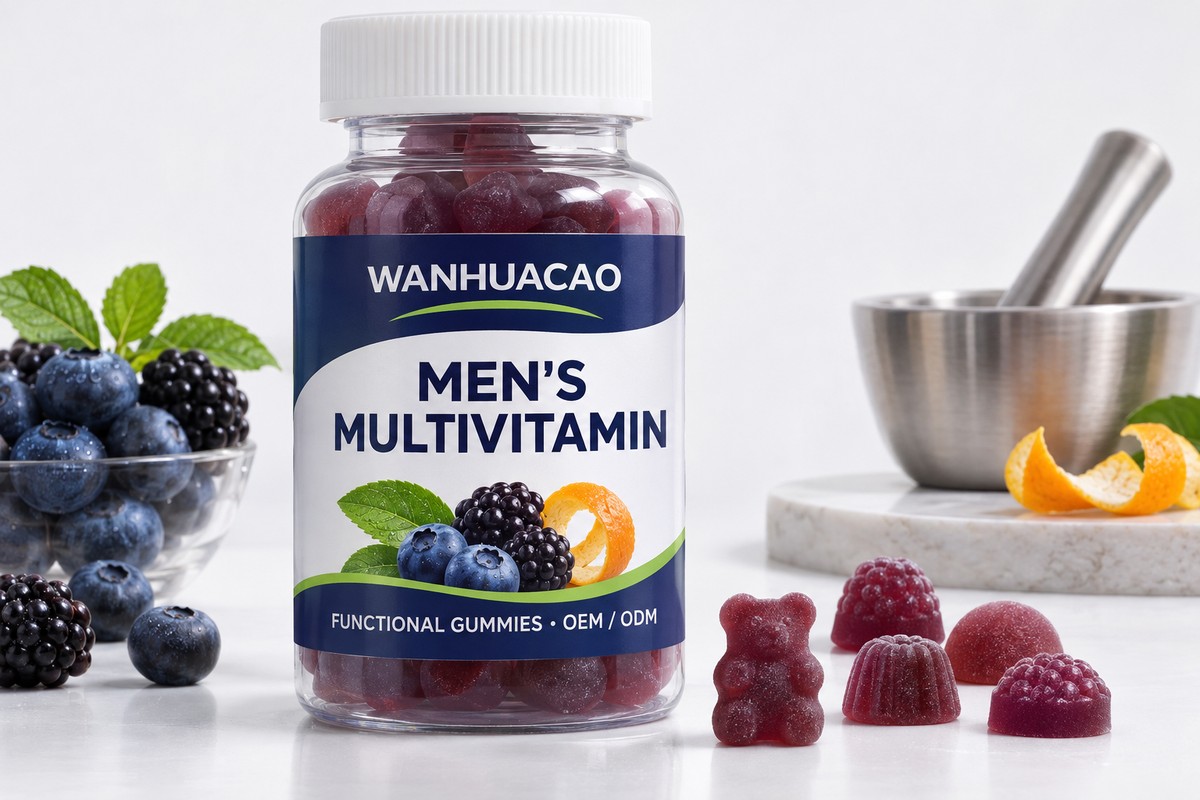
A gummy can enter most markets as confectionery or as a supplement, and the two routes are governed by different law even when the piece is identical.
- As confectionery. Treated as an ordinary food. In the United States that means food facility registration, preventive controls under 21 CFR 117, and a Nutrition Facts panel.
- As a dietary supplement. Treated under DSHEA, with a Supplement Facts panel, and manufactured under the supplement cGMP in 21 CFR 111 rather than the food rule.
- In the European Union. A food supplement falls under Directive 2002/46/EC for vitamins and minerals, with national rules filling the space for other ingredients, and a food label under Regulation 1169/2011 either way.
- The trade consequence. Confectionery and supplements sit on different tariff lines with different duty rates, so the classification is a cost decision as well as a compliance one.
The classification is set by how the product is presented, not by what it is made of. A gummy sold with a dosage, a nutrient claim and a Supplement Facts panel is a supplement. The same formula in a bag with a candy-style label is confectionery, and a shipment that mixes the two on paper does not survive the first inspection.
The label follows the identity
Once the route is chosen, the label is largely determined. Most import delays come from a label that mixes the conventions of both.
- The panel. Nutrition Facts for confectionery, Supplement Facts for a supplement, each with its own serving size logic and its own rules about what may be declared.
- Claims and disclaimers. A structure or function claim on a supplement in the US carries the standard disclaimer. On confectionery, the same words are a claim on a food, judged under different rules.
- Sugar and sugar alcohols. A sugar-free claim has a threshold, not a mood: in the US, less than 0.5 g of sugars per serving. Polyols bring their own labelling and their own digestive caveat in some markets.
- Allergens. The US list runs to nine major allergens, sesame included since 2023. The EU list has fourteen and requires emphasis in the ingredient list. A formula that uses a gelatin, a starch and a glaze touches both lists.
- Language and units. The destination market's language, its units, and its order of information. A label written for one market and reused in another is the single most common reason for a reprint.
The paper trail starts before the container
Import compliance is measured in records, and the records are produced at the factory rather than at the border.
- Facility registration. A food facility that makes product for the US market has to be registered, and the registration has to be current at the time of shipment.
- Prior notice. Each shipment needs notice before it arrives, filed by the importer or the agent, with the entry details matching the invoice.
- Supplier verification. Under the Foreign Supplier Verification Program the importer, not the exporter, is accountable for verifying that the supplier meets the applicable rules. That means audits, sampling plans or records, chosen on risk.
- Manufacturing records. Batch records, formulation sheets, allergen controls and a written food safety plan are what an inspector asks for when a supplement is classified as one. A factory that can produce a certificate but not a batch record is a factory that will be asked twice.
- Retention. Records have to exist after the shipment, for periods set by the rule. A supplier who keeps certificates and discards batch files cannot support a customer through a verification audit.
Colour is its own import file
Colour is where a botanical formula most often collides with a rule, because the same pigment can be a certified colour, an approved additive, or a novel ingredient depending on the market and the source.
- Certified colours in the US. Synthetic colours used in food are listed with specifications and require batch certification. A colour that is not on the list is not permitted, however familiar it looks.
- Additives in the EU. Colours are authorised additives with E numbers and permitted use levels by food category. A gummy is a category, and the category has a ceiling.
- Titanium dioxide. The EU removed it as a food additive in 2022, which retired a whitener that appears in a great many older confectionery formulas.
- Botanical colours. Beetroot, spirulina, anthocyanin and turmeric are not automatically simpler. They carry their own stability limits, and in some markets a colouring food is treated differently from a colour additive.
Where shipments fail
Four failures account for most of the holds, and none of them are about the product itself.
- Invoice and label disagree. The entry is filed on a description, and the label is read against it. A supplement label under a confectionery tariff line is a contradiction an officer resolves by holding the load.
- Prior notice missing or mismatched. Notice filed with a different quantity, a different manufacturer or a different arrival port is treated as notice not filed.
- An allergen without a bold statement. The ingredient is listed, the emphasis is missing, and the whole label is judged non-compliant in a market that requires emphasis.
- A colour with no authorisation for the category. The pigment is legal somewhere, the gummy is a category with a ceiling, and the ceiling was never checked.
Each one is a document problem with a document fix, and each one is cheaper to fix before the container is booked than after it is held.
What a factory certificate does not do
Three documents travel with this line, and they answer questions about a factory rather than about a market.
- SGS CN23/00007035 —— issued to Anhui Wanhuacao Biological Technology Co., Ltd. against Codex CXC 1-1969 as revised in 2020, with gel candy among the categories in scope.
- Production licence SC11434160205012 —— eight dosage forms, which is the framework a supplement-form gummy is produced under in China.
- What neither covers —— whether your product is a candy or a supplement in the destination market, whether your label is compliant there, or whether the importer has filed what the importer has to file. Those are decisions and duties belonging to the market and to the importer of record.
An exporter can tell you what the factory is licensed and equipped to make, and can supply the batch records a verification audit asks for. The classification, the label and the entry belong to the importer, and a supplier who offers to handle all of it is usually describing an agent rather than a factory.
What to settle before the first shipment
- The identity of the product, decided in writing: confectionery or supplement, in which market, with the dosage and the claim that go with it.
- The label artwork, reviewed against the destination rules before printing rather than after arrival.
- The importer of record, and who is filing prior notice and holding the verification file.
- The colour list, with the source and the market authorisation for each one.
- The records the factory will retain, batch, formulation, allergen and traceability, and for how long, because the importer's audit will ask.
Send the market and the intended label and the identity question can be settled before the artwork is printed. The guide to contract manufacturing a supplement covers how the supplement route is actually run on a line, and the piece on natural versus artificial gummy colours goes through the colour question from the formulation side.
Ding Shaohua, Foreign Trade Manager, takes enquiries for this line. The same person answers on WhatsApp, TikTok, LinkedIn and Facebook.
FAQ
Can the same gummy be sold as candy in one market and a supplement in another?
Yes, and it usually is, because the classification follows presentation rather than composition. What changes is the label, the permitted claims, the manufacturing standard cited and the tariff line. The formula may be identical; the dossier around it is not. Brands that plan for both from the start avoid a reprint and a second registration later.
Which is cheaper to import, candy or a supplement?
The duty rate differs by tariff line, and the compliance cost differs more than the duty does. A supplement route brings a stricter manufacturing standard, a different label and a heavier verification file. A confectionery route brings a lighter label but leaves the piece unable to carry the claims that usually justify its price. The comparison has to be made on the whole landed cost, not on the rate alone.
Who is responsible if the label is wrong at the border?
The importer of record. The exporter can supply artwork, specification and records, and a good factory will review a label against the market it knows, but the legal duty sits with the party bringing the goods in. That is why the label review should happen before printing, with the importer's regulatory contact in the loop rather than after the container is booked.
Do natural colours avoid the additive rules?
No. A colour is regulated by what it is and how it is used, not by whether it is described as natural. Beetroot and spirulina have their own permitted uses and their own stability limits, and a botanical that is a colouring food in one market can be an additive in another. The safe approach is a per-market list with a source document for each colour, checked before the formula is locked.