
A label reads: ten billion CFU per serving. The gummy was made in March, shipped in June, will be opened in November and finished in February. The number on the front has to be true in February, not in March.
Almost every commercial argument about probiotic gummies starts at the cook. It should start at the shelf.
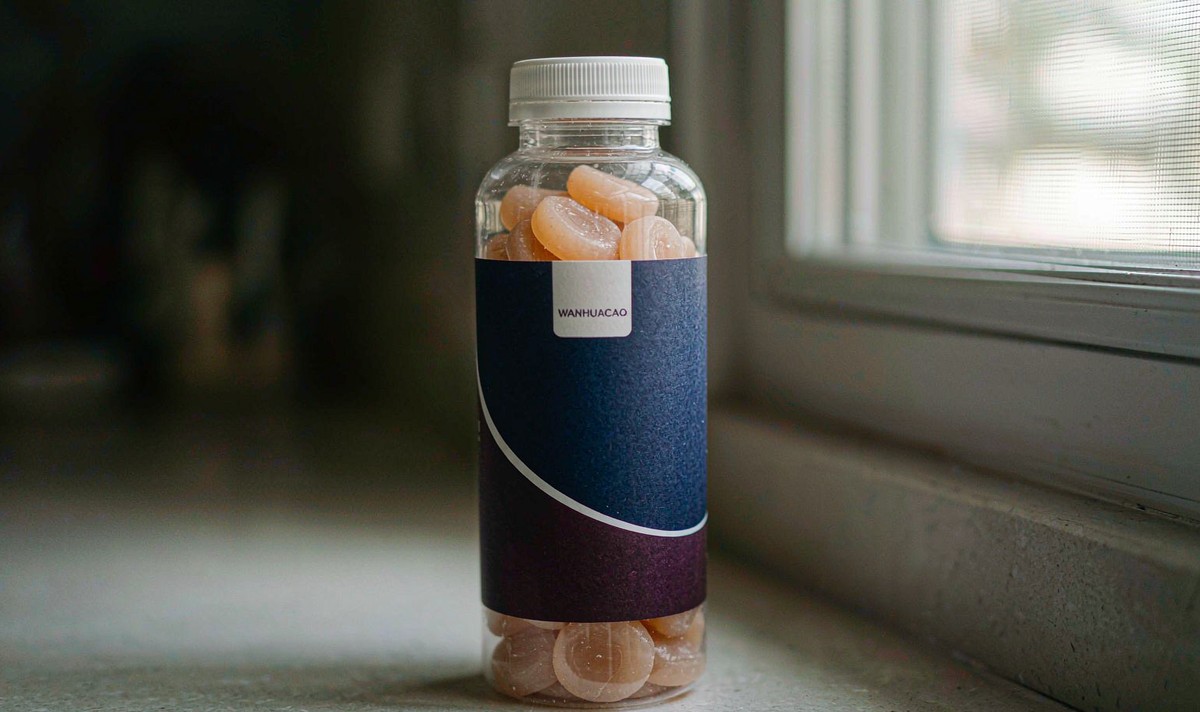
"Probiotic" is a definition, not a product category
The word has a scientific consensus behind it, and the consensus is narrower than the marketing.
The International Scientific Association for Probiotics and Prebiotics settled the definition in 2014: live microorganisms that, when administered in adequate amounts, confer a health benefit on the host. Every clause in that sentence does work. Live means viable at the point of consumption. Adequate amounts means a dose that has been shown to do something. Health benefit means a documented effect in a host, not a mechanism in a dish.
Two consequences follow for anyone buying a probiotic gummy. First, the effect is strain-specific, so the strain identity is the product. A genus on a label is a category, not an ingredient. Second, a product carrying dead cells is a different thing from a low-dose probiotic, and the definition does not cover it.
Heat gets solved first
Gummy syrup is cooked. Whatever the base, the cook is a concentration step at a temperature that would kill a free vegetative cell in seconds, and most strains lose viability rapidly above about 60 °C.
No strain survives being added to that. So nobody adds it there. The industry answer is a post-cook addition: the syrup is cooked, dosed with acid and colour, cooled to a temperature the strain tolerates, and the culture is folded in immediately before depositing. The window is narrow, because the syrup is thickening as it cools and the deposit weight has to stay stable.
A second answer is encapsulation: the cells are coated in an alginate, a lipid or a multilayer shell before they ever meet the syrup, so the coat takes the heat and the acid and releases the cells later. Encapsulation buys survival through both the process and the stomach, and it costs money per kilogram of culture.
Both answers share a hidden cost that rarely appears in the quote. Adding an organism after the cook means adding a non-sterile ingredient to a cooled, finished syrup, so the hygiene of everything downstream has to be good enough to carry it. A line that is clean enough for a vitamin is not automatically clean enough for a live culture.
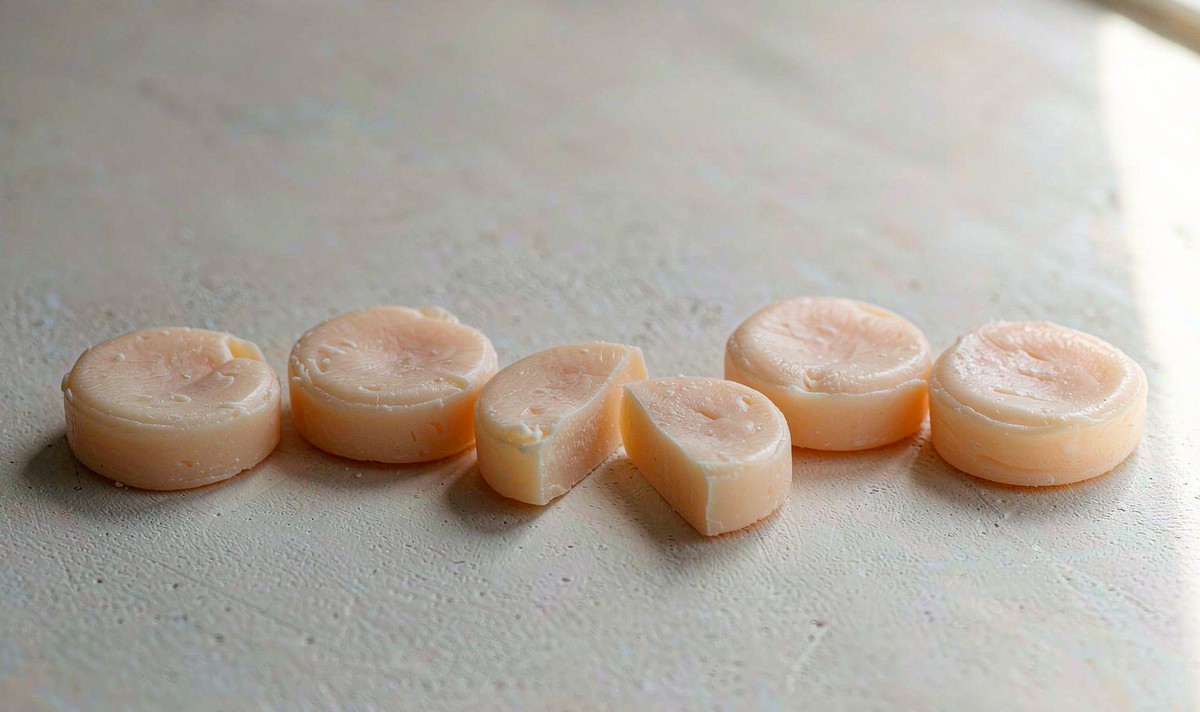
Acid is in the recipe itself
A fruit-flavoured gummy sits somewhere between pH 3.0 and 4.5, because that is where the flavour reads as fruit and where pectin sets.
For an unprotected cell, that is a hostile environment. Organic acids cross the cell membrane in their undissociated form and acidify the cytoplasm, and a population that is fine at pH 6 loses most of its viability in hours at pH 3.5. The encapsulation that protects against heat is doing the same job here, which is why the two problems tend to be solved by the same purchase.
There is a formulation lever as well. Buffering the system, choosing a weaker acid, or moving the acidulant later in the process all reduce the exposure, and all of them change the taste. A sour gummy and a high-survival gummy pull in opposite directions, and the brief has to pick.
Water activity is the slow kill nobody models
The part that decides the label comes after the pack is closed.
A finished gummy sits at a water activity of roughly 0.50 to 0.65. At that level no microorganism can grow, which is why the product is shelf stable without refrigeration. It is also a desiccating environment, and desiccation is how a viable cell dies over months rather than seconds.
The cell does not explode. It loses the water that keeps its membrane fluid and its proteins folded, its metabolism drops to near zero, and it accumulates damage it cannot repair because it is not running repair. It stays alive, and it becomes progressively less able to revive.
This is the mechanism behind the number everybody quotes and nobody dates. A culture that assays at ten billion at deposit and two billion at eighteen months has not failed in the cook. It has been dying slowly in a pack, at a rate set by water activity, temperature and the barrier of the packaging.
Which means the levers are all downstream of the kettle: keep the water activity at the low end of the range, keep the pack's moisture barrier high, keep the storage temperature down, and put more cells in at the start than the label needs at the end.
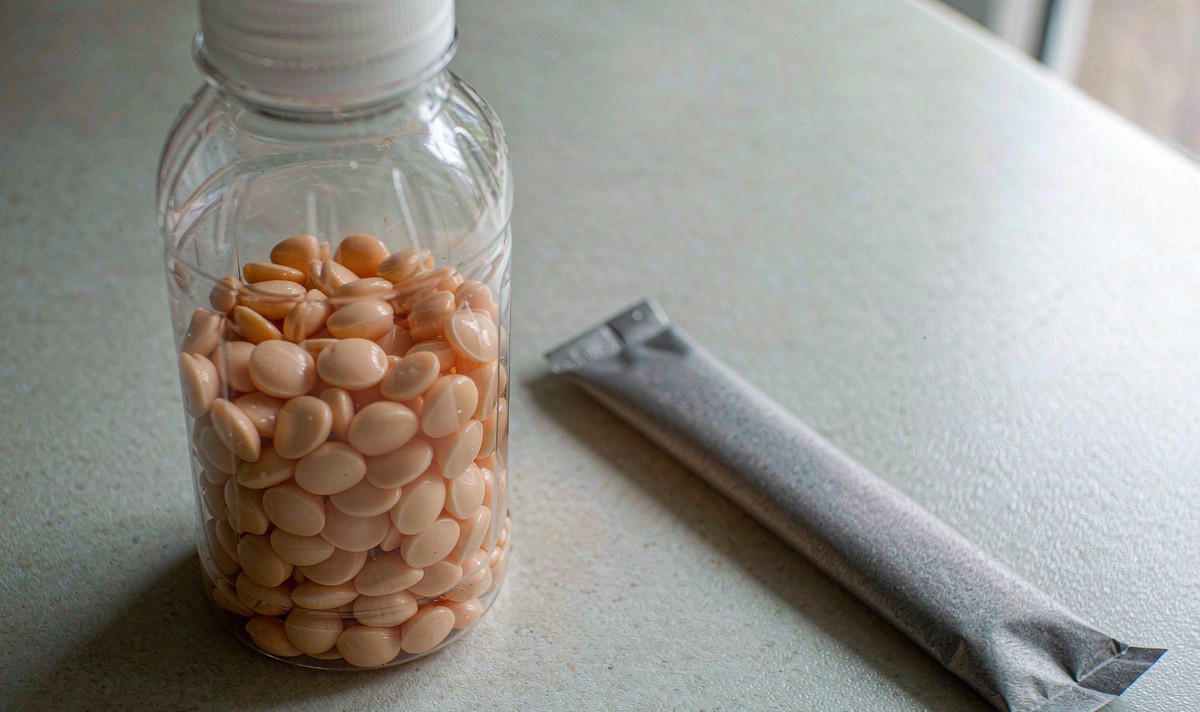
Why the label number has to be the end-date number
A CFU figure without a date is not a specification. Ten billion on the day of manufacture and ten billion at the end of shelf life are different products with different costs.
The label promises the end date, because that is when the customer is still eating it. So the release specification has to sit above the label by the expected decay, and the expected decay has to be measured rather than assumed.
Measuring it means a stability programme on the finished pack, not on bulk gummies in a jar. Timepoints at release, then through the shelf life, held at the storage conditions the label claims, with the CFU assay run on the same method each time. A supplier who has this data will show a curve. A supplier who does not will show a single number and call it typical.
The overage is the commercial consequence. If the strain loses a factor of five over the shelf life, the batch needs five times the label count at deposit, and that multiplication applies to the most expensive ingredient in the formula. This is why probiotic gummies are priced where they are, and why a suspiciously cheap one is usually a product whose label describes the day it was made.
The regulatory trap: in the EU the word itself is a claim
This catches brands after the artwork is printed, so it belongs before the brief.
In the European Union, the term "probiotic" is treated as a health claim under Regulation (EC) No 1924/2006, on the reasoning that saying a product contains a probiotic implies it contains something beneficial for health. No probiotic health claim is authorised on the EU register. In December 2024 the European Ombudsman reviewed a complaint from a producers' association against that interpretation and agreed with the Commission: the term implies a benefit, and the absence of substantiated claims means it cannot be used freely.
The practical route in the EU is to name the strain in the ingredient list, which is permitted, and to avoid the word and any gut or immune statement on pack. Only the authorised claims for any vitamins or minerals in the formula can be used.
In the United States the position is different and equally specific. Under DSHEA a supplement may carry a structure or function statement, and may not claim to diagnose, treat, cure or prevent a disease. The same sentence that is a compliant structure-function claim in Ohio is an unauthorised health claim in Ireland, and one pack cannot be both.
What to ask before ordering
Six questions separate a probiotic gummy programme from a gummy with a strain name on it:
- The strain, with its identifier and depository number, because the effect and the survival both belong to the strain rather than the species.
- The CFU per piece at the end of shelf life, and separately the overage at deposit, so the cost of the decay is visible.
- The addition point, with the temperature at that point, and whether the culture is encapsulated.
- The stability data, with timepoints, conditions and the assay method, on the finished pack.
- The pack, because moisture barrier is part of the survival system and a stick pack is not a bottle.
- The claims plan per market, because the wording decides whether the formula is even sellable where it is going.
Where the line stops
Our SGS certificate CN23/00007035, held by Anhui Wanhuacao Biological Technology Co., Ltd., covers GMP against Codex Alimentarius CXC 1-1969 as revised in 2020, with gel candy in the stated scope. That covers the gummy. It does not certify a strain, a viability figure, or a health claim, and no factory certificate can.
Probiotic work is accepted as a project with its own specification, because a strain that cannot hold its count through the cook, the acid and the shelf life will not be rescued by a better gummy recipe. Where the data does not support the claim the brand wants, the honest answer is to say so before the artwork.
If the strain is settled, the functional gummies page sets out formats and minimums, and gummy shelf life and stability covers the storage programme that produces the decay curve. For a formula built around a sensitive active, the sugar-free manufacturing guide explains how the base system changes what the piece can carry. Send the strain and the target count to start the discussion.
Ding Shaohua, Foreign Trade Manager, handles development enquiries for this line. The same person answers on WhatsApp, TikTok, LinkedIn and Facebook.
FAQ
Does cooking kill the probiotics in a gummy?
Not if the culture is added after the cook, which is how every commercial probiotic gummy is made. The syrup is cooked, cooled to a temperature the strain tolerates, and the culture is folded in before depositing. The heat problem is solved by sequencing. The problem that remains is the months after the pack is closed.
Why do probiotic gummies need so much overage?
Because the count decays between deposit and expiry, and the label promises expiry. The overage is whatever the measured decay curve says it is, which is why the stability data comes before the price. A product with no overage has a label describing the factory, not the customer's experience.
Can a gummy claim to be a probiotic in the EU?
The term is treated as a health claim under Regulation (EC) No 1924/2006 and no probiotic claim is authorised on the EU register, a position the European Ombudsman upheld in December 2024. Naming the strain in the ingredient list is permitted. Describing what it does for health is not, and neither is the word itself on pack in most member states.
Does the packaging really change the CFU?
Yes, because moisture is what kills the cells slowly. A pack with a high moisture barrier holds the water activity where it was set; a pack with a poor one lets the piece drift and takes the culture with it. Two identical gummies in two packs can end their shelf lives a factor apart, which is why the pack belongs in the stability study rather than in the artwork file.